
Ask Your Roofer: What Are the Most Popular Roofing Types?
Understanding the various roofing types available is essential for homeowners who want to make informed decisions about maintaining and improving their homes. A roof is far more than a protective covering—it contributes to curb appeal, energy efficiency, long-term property value, and structural integrity. With the wide range of roofing materials on the market today, each offering unique benefits, styles, and challenges, it can be overwhelming to identify which option best suits your needs. This expanded guide explores several of the most popular roofing materials and systems used in modern residential and commercial properties. By evaluating their features, advantages, drawbacks, and general performance expectations, homeowners can gain the knowledge necessary to choose a roof that aligns with their budget, style preferences, and long-term goals.
This comprehensive overview covers everything a roofer can do, from traditional asphalt shingles to innovative flat roofing systems. Each section provides insight into what makes these materials desirable, how they perform under various environmental conditions, and what maintenance considerations accompany them. With expert-backed considerations and practical details, this guide will equip homeowners with the tools needed to confidently select the roofing type most appropriate for their specific situation.
1. Asphalt Shingles
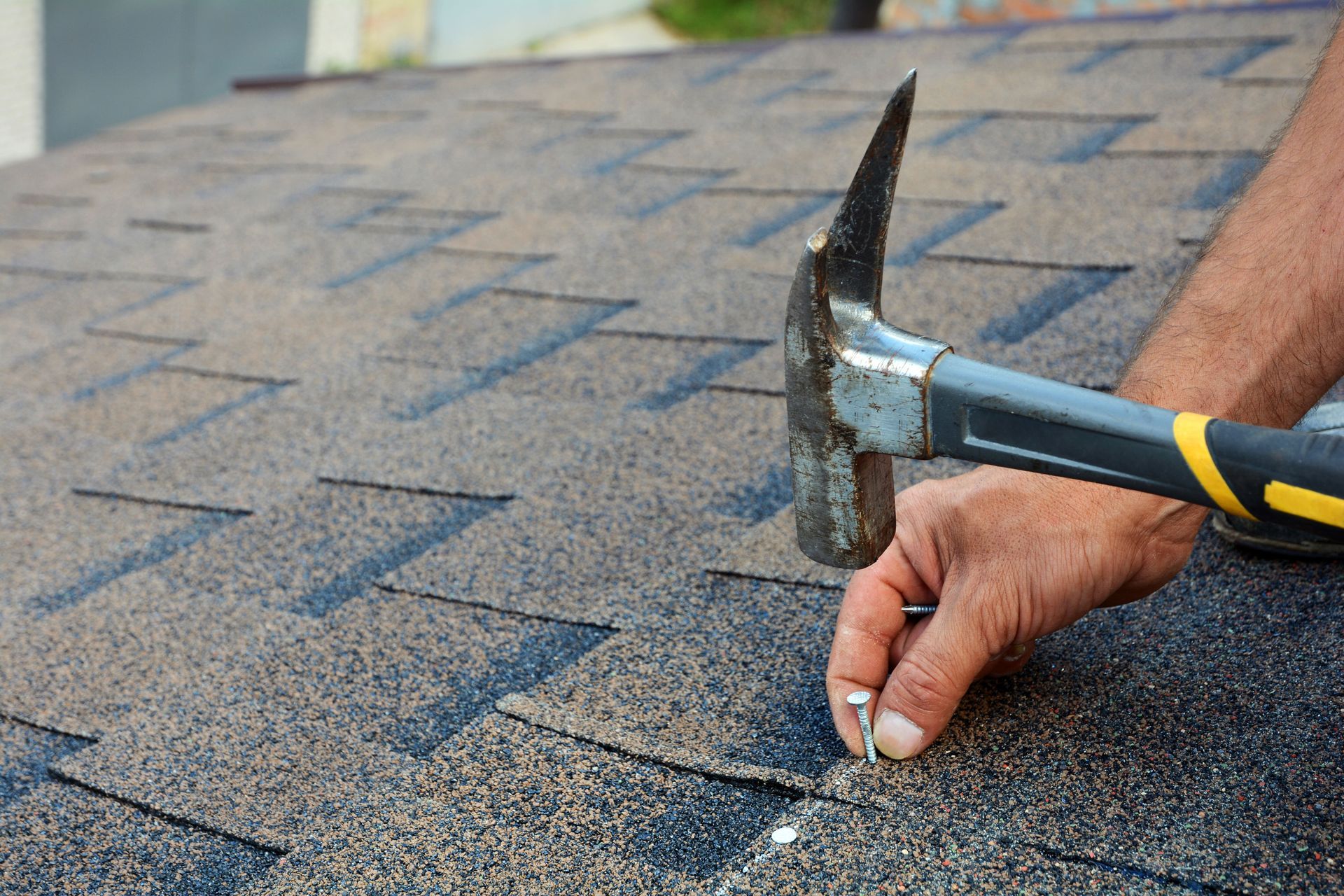
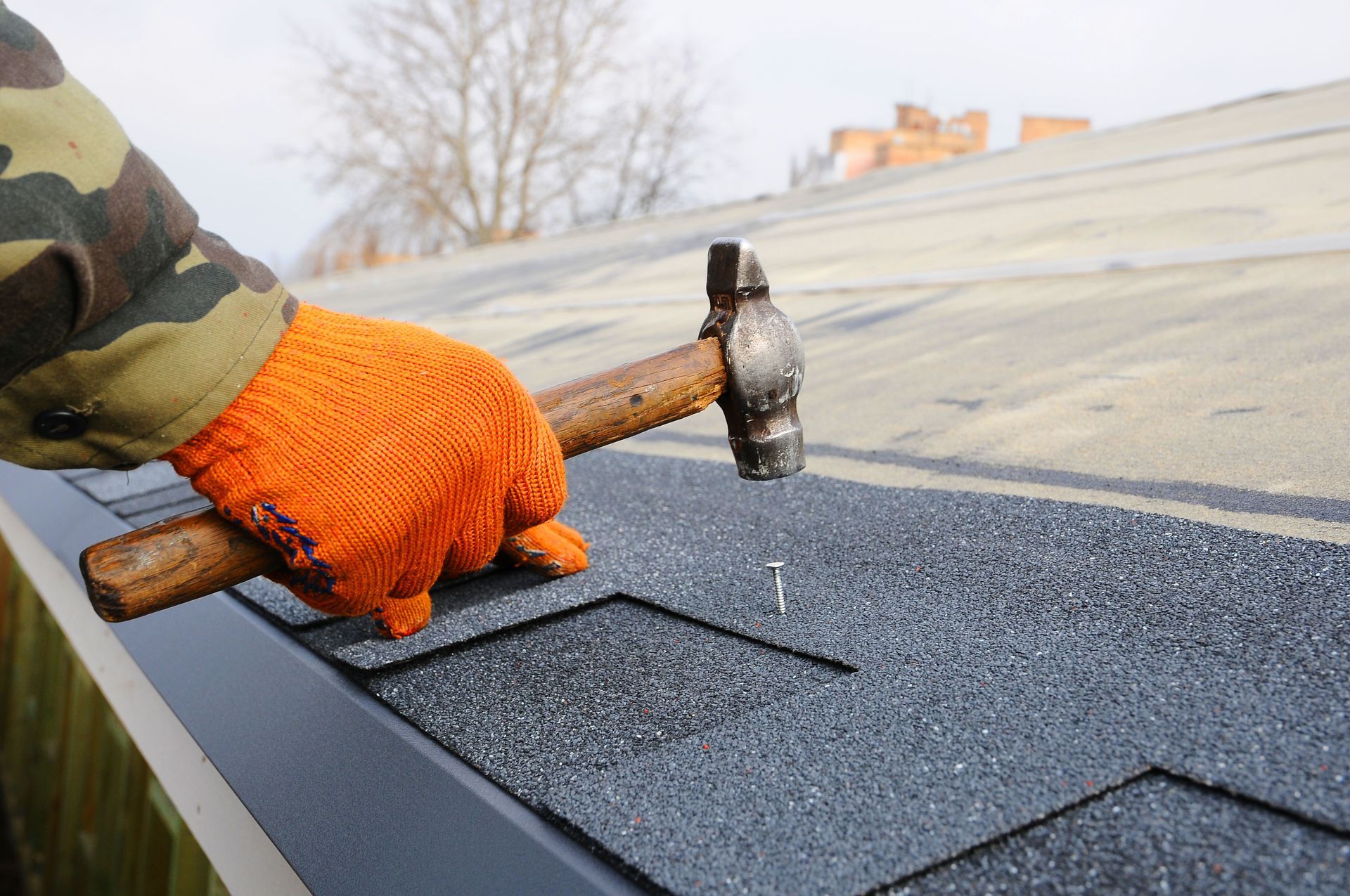
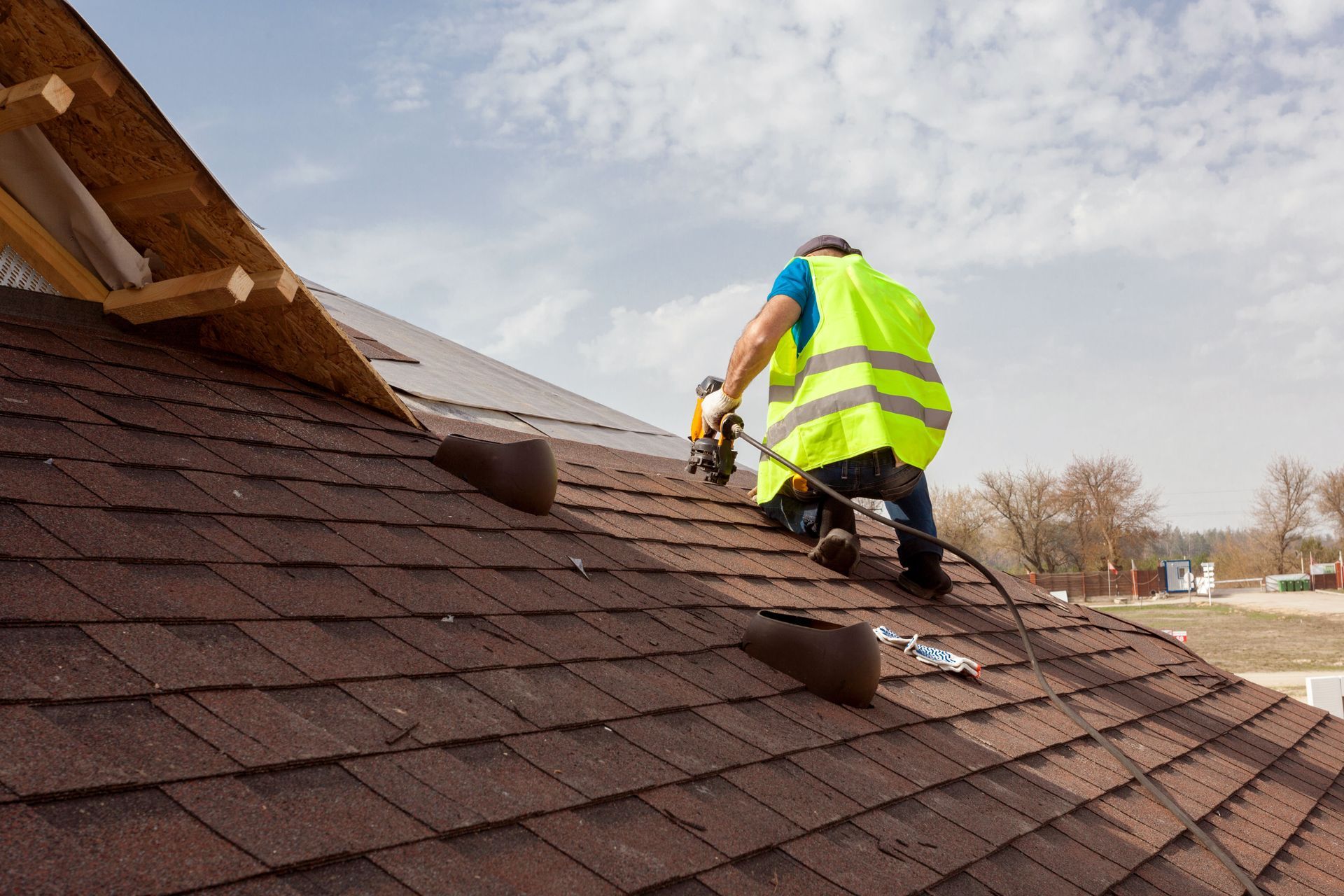
Asphalt shingles remain the most widely used roofing material in North America, and their popularity shows little sign of fading. Their primary appeal lies in their cost-effectiveness and versatility. Homeowners appreciate the relatively low upfront cost, straightforward installation process, and broad range of colors, textures, and styles available. This flexibility makes asphalt shingles suitable for nearly any architectural design, from traditional to contemporary homes.
There are two main types of asphalt shingles: organic and fiberglass. Organic shingles, made from a felt base saturated in asphalt, tend to be more flexible but slightly heavier. Fiberglass shingles, on the other hand, incorporate a woven fiberglass mat, making them lighter and more resistant to fire. Both types offer strong waterproofing capabilities, which is essential for regions with heavy rainfall or fluctuating weather patterns.
According to industry sources such as Roofer’s Guild, approximately 75% of North American homes feature asphalt shingle roofs, illustrating their dominance in the roofing market. This widespread use also means that contractors are highly familiar with the installation and repair process, which often leads to faster project completion times. However, in our experience, asphalt shingles typically have a shorter lifespan than premium roofing materials, lasting around 20 to 30 years. They may be vulnerable to wind uplift in severe storms and can deteriorate more quickly in hot climates. Nonetheless, for homeowners seeking a dependable, attractive, and affordable solution, asphalt shingles remain an excellent option.
2. Metal Roofing
Metal roofing has surged in popularity in recent years, especially in areas that experience harsh weather or where modern architectural designs are common. Popular metals used include steel, aluminum, zinc, and copper, each offering varying levels of durability, cost, and aesthetic appeal.
Ask any roofer, and you'll hear that one of the most notable advantages of metal roofing is its resistance to extreme weather conditions. Metal panels can withstand heavy snow, torrential rain, and strong winds, making them an excellent choice for regions prone to severe storms. Additionally, metal roofs are fire-resistant, making them especially desirable in areas at risk of wildfires.
From an environmental perspective, metal roofing is considered one of the more sustainable options available. Many systems are manufactured from recycled materials and can be recycled at the end of their lifespan. Their reflective properties also contribute to improved energy efficiency, helping to reduce cooling costs during hot months.
While metal roofs generally require minimal maintenance, their upfront cost can be significantly higher than that of asphalt shingles. Some homeowners may also notice increased noise during rain or hailstorms, although proper insulation can easily mitigate this issue. Despite these considerations, metal roofing remains a top choice for homeowners seeking longevity, performance, and a sleek, contemporary look.
3. Tile Roofing
Tile roofing has long been admired for its timeless elegance and significant durability. Often associated with Mediterranean, Spanish, and Mission-style architecture, clay and concrete tiles provide a visually striking appearance from a roofer that enhances a home’s character and charm. These tiles are available in a variety of shapes, including flat, curved, and interlocking designs, offering homeowners substantial design flexibility.
However, the substantial weight of tile roofing means that not all homes are structurally equipped to support it. Before installation, contractors must evaluate whether the existing roof framework can handle the added load or if reinforcements are necessary. Tile roofs can also be more expensive than other options, and while the tiles themselves are durable, they can crack under heavy impact from falling branches or severe hail.
4. Wood Shingles and Shakes
Wood shingles and shakes offer a natural, rustic charm that few other roofing materials can match. Commonly made from cedar, redwood, or pine, these roofs contribute a warm, organic aesthetic that blends beautifully with wooded or rural surroundings. The main difference between the two styles lies in their manufacturing: shingles are machine-cut for a uniform look, while shakes are hand-split, giving them a more textured, rugged appearance.
However, wood shingles and shakes require more maintenance than many other roofing materials. They must be regularly inspected for signs of mold, rot, and insect activity. Wood roofing is also more vulnerable to fire unless specially treated, which may restrict its use in areas with strict fire codes. Additionally, the environmental impact of harvesting wood should be considered, although many manufacturers now supply sustainably sourced materials.
5. Slate Roofing
Slate roofing represents one of the most premium and prestigious options available. Made from natural stone, slate offers unmatched durability, beauty, and longevity. Slate’s refined, elegant appearance adds sophistication to any home, whether historic or contemporary. It is naturally fire-resistant, environmentally friendly, and impervious to rot and pests. Because slate is a natural material, each tile features unique textures and color variations, contributing to a truly distinctive look. A roofer can help you guide your decision when choosing a roof.
However, slate roofing also comes with notable challenges. It is one of the heaviest roofing materials, requiring a strong underlying structure. It is also one of the most expensive options, both in terms of materials and installation. Not all roofing contractors have the expertise needed for proper slate installation, which further contributes to its high cost.
6. Flat Roofing Systems
Flat roofing systems, once reserved primarily for commercial buildings, have gained popularity in residential construction due to modern architectural trends. These roofs provide a sleek, minimalist look and offer unique functionality. Their design allows homeowners to use the roof space for solar panels, HVAC equipment, or even rooftop gardens, making them exceptionally versatile. A great roofer can make a flat roof look elegant and seamless.
Common flat roofing materials include EPDM (a synthetic rubber), TPO, and PVC membranes. Each offers its own strengths in terms of energy efficiency, durability, and ease of installation. Flat roofs typically require more frequent inspections than pitched roofs because standing water can pose a risk if drainage systems are not functioning properly.
Choosing the right roofing material is a significant decision that affects your home’s protection, appearance, and long-term value. By understanding the strengths and limitations of each option—from budget-friendly asphalt shingles to premium materials like slate or innovative flat roofing systems—homeowners can make confident, informed choices that fit both their needs and their architectural style. Whether you prioritize durability, aesthetics, sustainability, or cost-effectiveness, the right roofing solution will enhance your home’s performance and provide lasting peace of mind. Do you need a roofer? Look no further by contacting Dozer Roofing Contractors today!
Share On: