
Challenges Local Roofers Encounter in Their Work
Roofing may seem straightforward to the untrained eye — a simple combination of materials, tools, and labor — but the reality is far more complex. Local roofers face an array of challenges that extend beyond the physical act of laying shingles. From extreme weather conditions to safety risks, financial pressures, and evolving customer expectations, the profession demands resilience, skill, and careful planning. While homeowners often focus on the final appearance of a roof, roofers navigate a complex web of challenges that directly impact both their work and well-being. Understanding these challenges sheds light on the difficulties inherent in roofing and highlights the expertise required to do the job safely and efficiently.
Navigating Extreme Weather Conditions
One of the most immediate challenges roofers encounter is the unpredictability of the weather. Roofing is inherently an outdoor occupation, making workers vulnerable to both heat and cold, rain and snow, and even high winds. Hot summer temperatures can cause heat exhaustion or heat stroke, while icy winter conditions increase the risk of slips and falls.
Even short periods of inclement weather can delay projects, creating a domino effect for timelines and budgets. For example, unexpected storms may force a roofer to halt work mid-project, leaving a home exposed to potential damage. This not only jeopardizes client satisfaction but also introduces additional safety concerns. Local roofers must constantly monitor weather forecasts, adjust schedules, and sometimes work long, irregular hours to meet deadlines while keeping safety a top priority.
The ability to adapt quickly to changing weather is essential. Experienced roofers develop strategies for mitigating these risks, such as using protective gear, temporary covers for unfinished roofs, and specialized equipment for icy or wet conditions. In some regions, extreme weather may limit work to only part of the year, requiring roofers to maximize productivity during favorable months. Nevertheless, even the best preparation cannot eliminate all weather-related challenges, making adaptability a crucial skill in the profession.
Managing Safety Risks
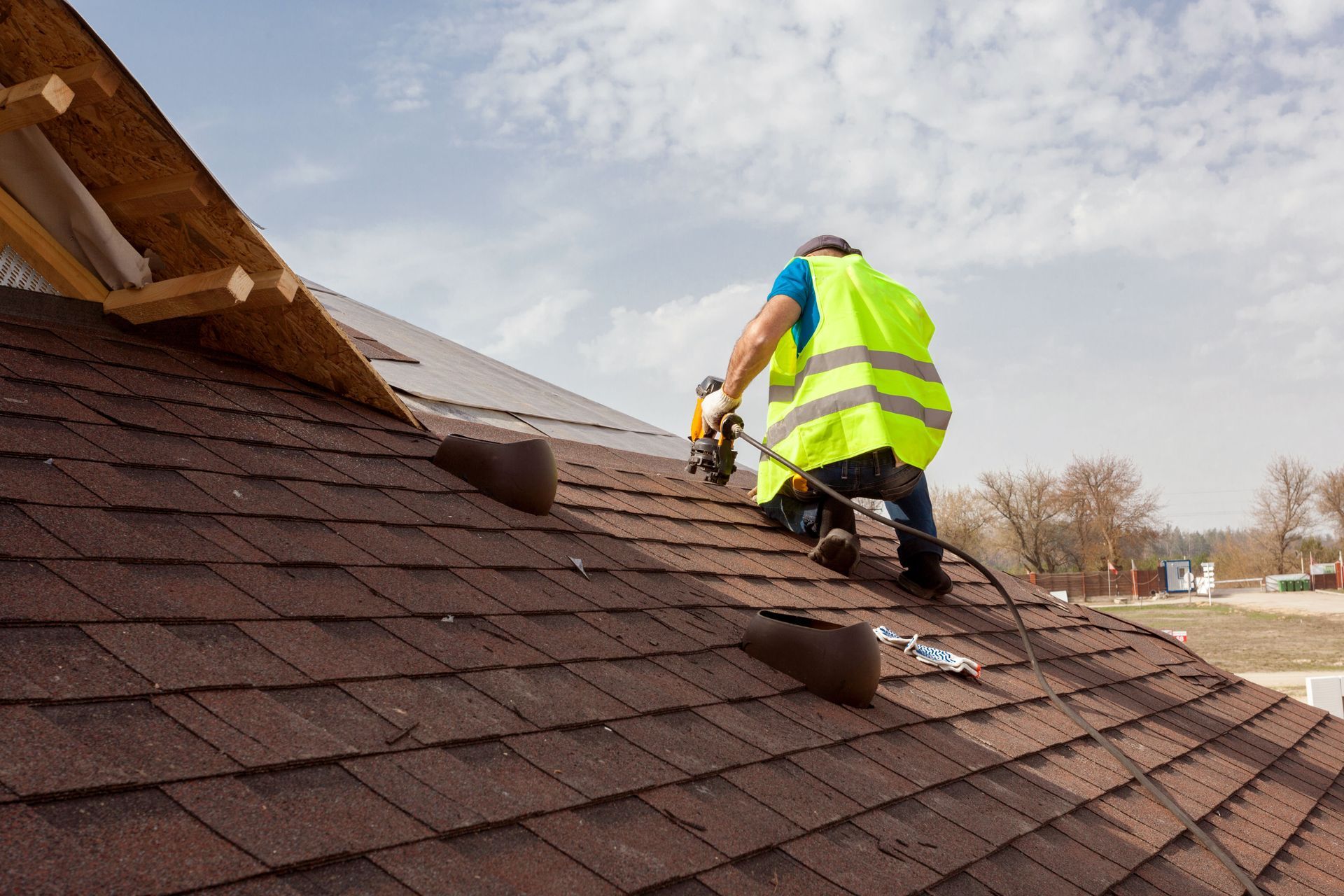
Safety is a paramount concern for roofers, and for good reason. Roofing often requires working on steep inclines, with the constant danger of losing balance or footing. Roofers also handle heavy materials such as shingles, metal sheets, and wooden beams, increasing the risk of musculoskeletal injuries. Beyond the physical strain, exposure to chemicals in roofing materials and adhesives adds another layer of health concerns, including skin irritation and respiratory issues.
To mitigate these risks, roofers undergo safety training, use personal protective equipment (PPE), and implement rigorous safety protocols. Proper use of ladders, scaffolding, harnesses, and fall protection systems can significantly reduce accidents, but they require vigilance and discipline. Additionally, routine inspections are essential. According to Zillow, your roof should be inspected at least once a year to help identify any issues. Regular inspections not only protect homeowners’ investments but also allow roofers to catch small problems before they become costly or dangerous.
The occupational hazards involved make roofing not only physically demanding but also mentally taxing, as workers must maintain constant focus to prevent accidents. By combining safety training with regular inspections, local roofers can maintain both their own safety and the integrity of the homes they service.
Balancing Cost and Quality Expectations
Local roofers also face the ongoing challenge of balancing cost efficiency with the high-quality standards expected by homeowners. Clients often desire durable and aesthetically pleasing roofs, but financial constraints can limit material choices or project scope. This tension requires roofers to find innovative solutions that maintain quality while remaining within budget.
In addition to material costs, roofing projects involve expenses for labor, equipment, and insurance. Roofers must provide accurate estimates that reflect these factors while remaining competitive in their market. Misjudging costs can lead to disputes, loss of income, or damage to professional reputation. Careful planning and transparent communication with clients can help prevent misunderstandings and ensure projects stay on budget while maintaining high-quality standards.
Skilled roofers often leverage their experience to recommend cost-effective alternatives, suggest phased project completion, or identify the most durable materials for the client’s budget. Moreover, proactive communication about potential hidden costs — such as structural repairs discovered during installation — helps prevent conflicts and builds trust. By balancing affordability with craftsmanship, they ensure customer satisfaction without compromising safety or quality.
Keeping Up With Industry Standards
The roofing industry is continually evolving, with advancements in materials, installation techniques, and building codes. Local roofers must stay informed about these changes to remain competitive and compliant with regulations. Staying up to date allows them to offer innovative solutions, improve efficiency, and provide clients with the most durable, cost-effective, and energy-efficient roofing options available. Continuous learning and adaptation are essential for maintaining both professional credibility and customer satisfaction.
For example, the increasing popularity of energy-efficient roofing materials requires knowledge of specialized installation techniques. Likewise, building codes vary by region and are frequently updated, necessitating ongoing education. Roofers who fail to keep up with industry standards risk legal liabilities, failed inspections, and dissatisfied clients.
Training programs, trade associations, and continuing education courses play a vital role in helping local roofers adapt to these changes. Successful professionals combine hands-on experience with ongoing learning, ensuring their skills remain current and their work meets or exceeds industry benchmarks. Staying ahead in the field also allows roofers to offer clients innovative solutions, such as sustainable roofing options or advanced weatherproofing techniques, which can enhance property value.
Managing Client Relationships and Expectations
In addition to physical and technical challenges, roofers must navigate the often complex dynamics of client relationships. Homeowners may have unrealistic timelines, specific aesthetic preferences, or limited understanding of roofing processes. Miscommunications can result in frustration on both sides, making effective communication an essential skill.
Local roofers often act as educators, explaining the steps involved, potential risks, and maintenance requirements to ensure clients understand what to expect. Building trust is critical, especially when projects involve significant financial investment or require multiple visits to complete.
Professionalism, transparency, and clear communication can help mitigate misunderstandings. Roofers who excel at managing client expectations build lasting relationships, secure referrals, and enhance their reputation in the community. Additionally, maintaining a strong online presence, showcasing past projects, and providing detailed service descriptions can reinforce credibility and reassure potential clients.
The challenges roofers encounter extend far beyond the simple act of placing shingles on a roof. From extreme weather conditions and safety risks to balancing costs, keeping up with industry standards, and managing client relationships, roofing demands a combination of physical skill, technical knowledge, and interpersonal acumen.
Despite these obstacles, roofers demonstrate remarkable resilience and adaptability. Their work ensures the safety, comfort, and value of countless homes, often under challenging and unpredictable conditions. By understanding the complexities of their trade, homeowners can better appreciate the expertise, dedication, and careful planning required to successfully complete roofing projects.
For those seeking reliable expertise, choosing experienced roofers ensures both quality workmanship and adherence to safety standards. These professionals navigate the multifaceted challenges of roofing with skill and dedication, making them indispensable to maintaining the integrity and longevity of residential and commercial structures alike. As homeowners and communities continue to rely on their services, recognizing and supporting the work of local roofers becomes not just a matter of appreciation but of safety, quality, and trust. Protect your home with expert care — contact Dozer Roofing Contractors today for high-quality roofing services you can rely on.
Share On: